Every coat blow,
every patella,
documented.
A digital library stitched together by breeders and veterinary geneticists — for show breeders, pet owners, and puppy buyers who read OFA numbers like nutrition labels.
2,400+ breeder reviews
"Trusted by the breeders who read pedigrees before bedtime."
Genetic Testing Guides
DNA panel breakdowns, merle zygosity interpretation, and alopecia X progression timelines — every test your breeding program should run.
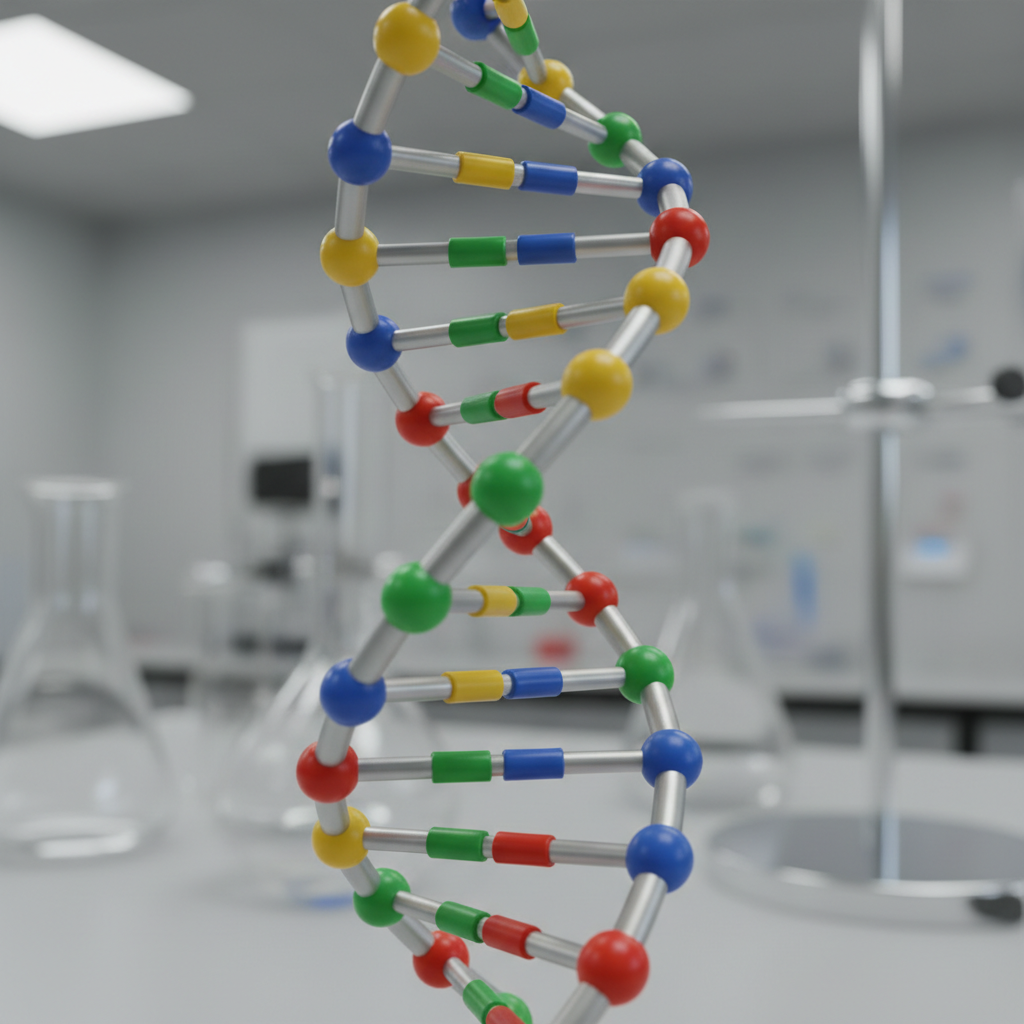
Reading a Pomeranian DNA Panel: What 47 Markers Actually Tell You
A guide to interpreting Embark and Wisdom Panel results — which variants matter for Poms, which are noise, and how to cross-reference with OFA.
Merle Zygosity Chart: M/m vs M/M at a Glance
| M/m (Het Merle) | Safe to breed — standard precautions |
| M/M (Hom Merle) | Double merle — avoid as breeding stock |
| Mc/m (Cryptic) | Test before breeding — looks solid |
| Mc/Mc | Equivalent risk to M/M |
Understand the difference between heterozygous and homozygous merle — and why breeding two cryptic merles carries the same risk as visible merle × merle.
"Alopecia X remains the most humbling condition in Pomeranian genetics — every time we narrow the locus, the phenotype shifts."
Dr. Meredith Calloway, DVM DACVD
Board-Certified Veterinary Dermatologist, UC Davis
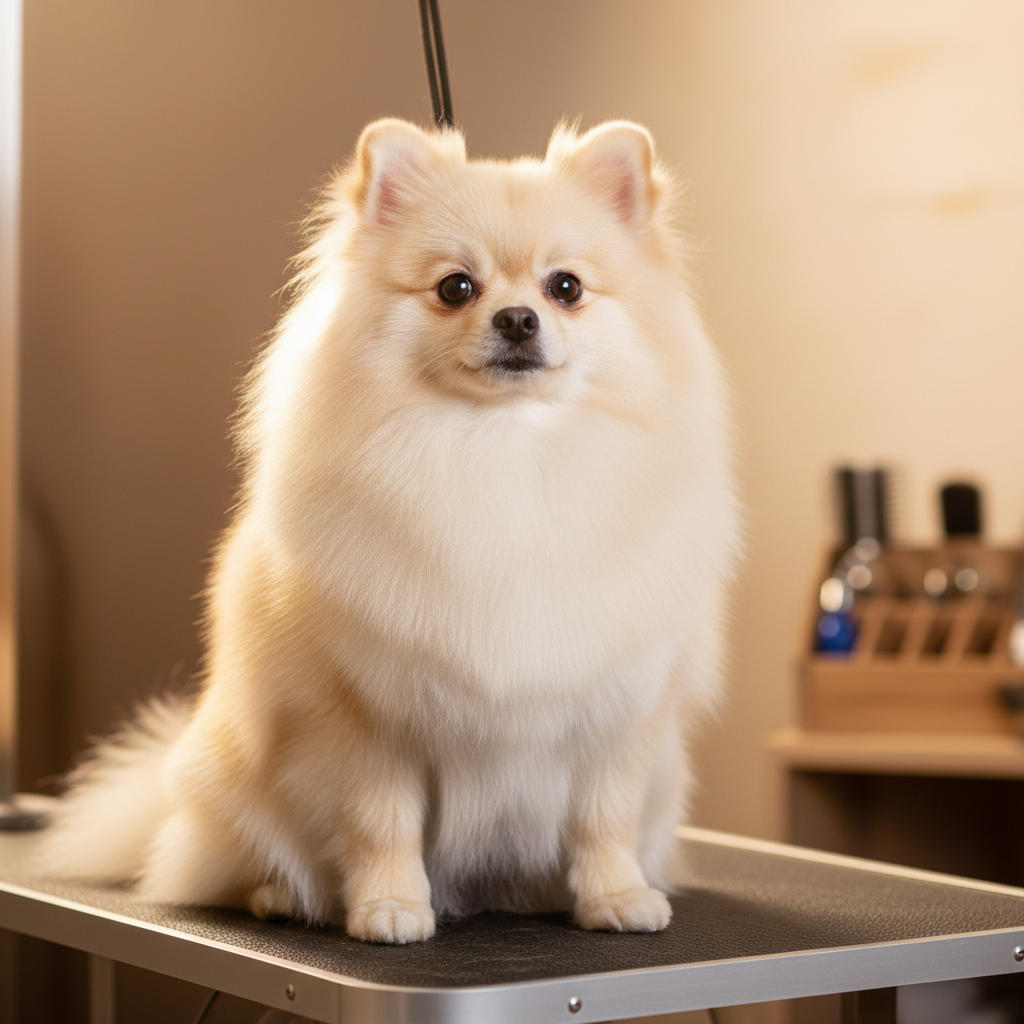
The E Locus and Cream Pomeranians: Why "White" Is Never Just White
Ee, ee, and E-locus modifiers explained — how a single base change turns a sable into an ice-white show dog.
How to Calculate COI Without a Software Subscription
Step-by-step Wright's coefficient method using a 4-generation pedigree — with a worked example on a typical show line.
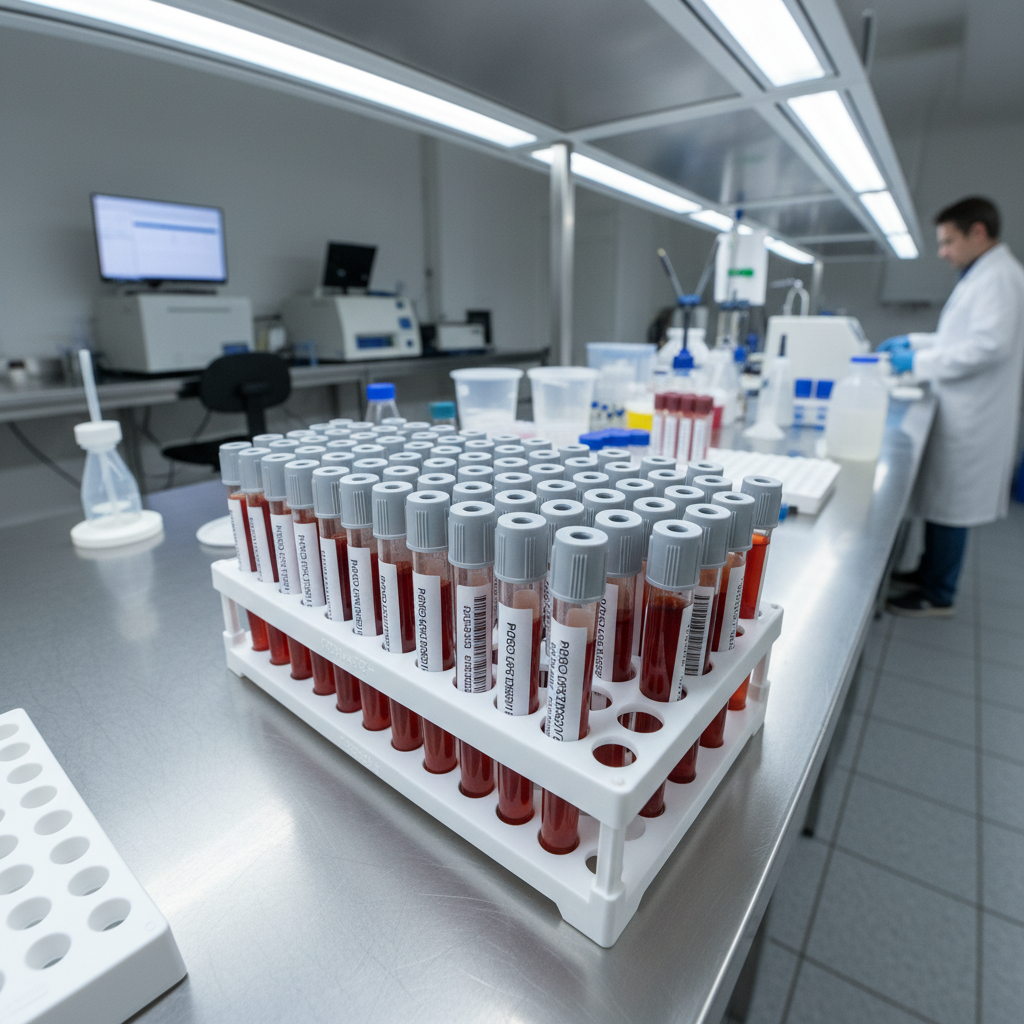
Progesterone Timing for Pomeranians: The 5 ng/mL Decision Point
Why Poms ovulate earlier than the LH surge suggests, and how to build a timing protocol around quantitative progesterone rather than cytology alone.
Veterinary Deep Dives
Patella grading visuals, tracheal collapse staging, dental occlusion diagrams — clinical depth written for breeders who read radiographs.
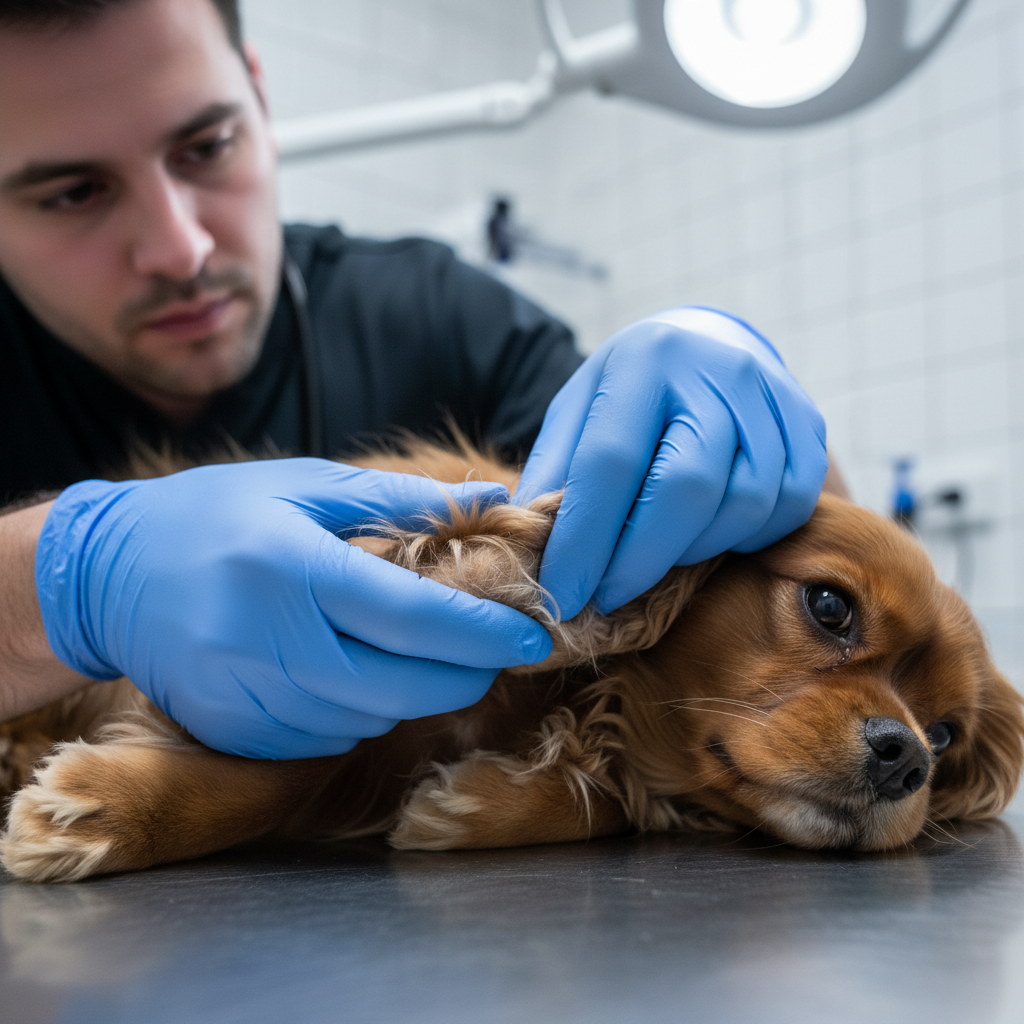
OFA Patella Grading: What Grade I, II, and III Mean for a Breeding Decision
A practical guide to luxating patella grades — with radiograph descriptions, clinical signs by grade, and how to weight patella scores in a mating matrix.
Auscultation vs. Echocardiography: What the OFA Cardiac Database Requires
| OFA Cardiac Exam Age | ≥ 12 months recommended |
| Examiner Requirement | Board-certified cardiologist |
| Method | Auscultation (echo optional) |
| PDA prevalence (Poms) | ~1.2% of breed |
OFA cardiac clearances for toy breeds — what a board-certified cardiologist is actually listening for, and why age-at-exam matters for Poms.
"A Grade 1 tracheal collapse on fluoroscopy is not a death sentence — it's a management conversation. Grade 4 is a surgical conversation."
Dr. Sanjay Nair, DVM DACVIM
Veterinary Internal Medicine, Cornell University Hospital for Animals
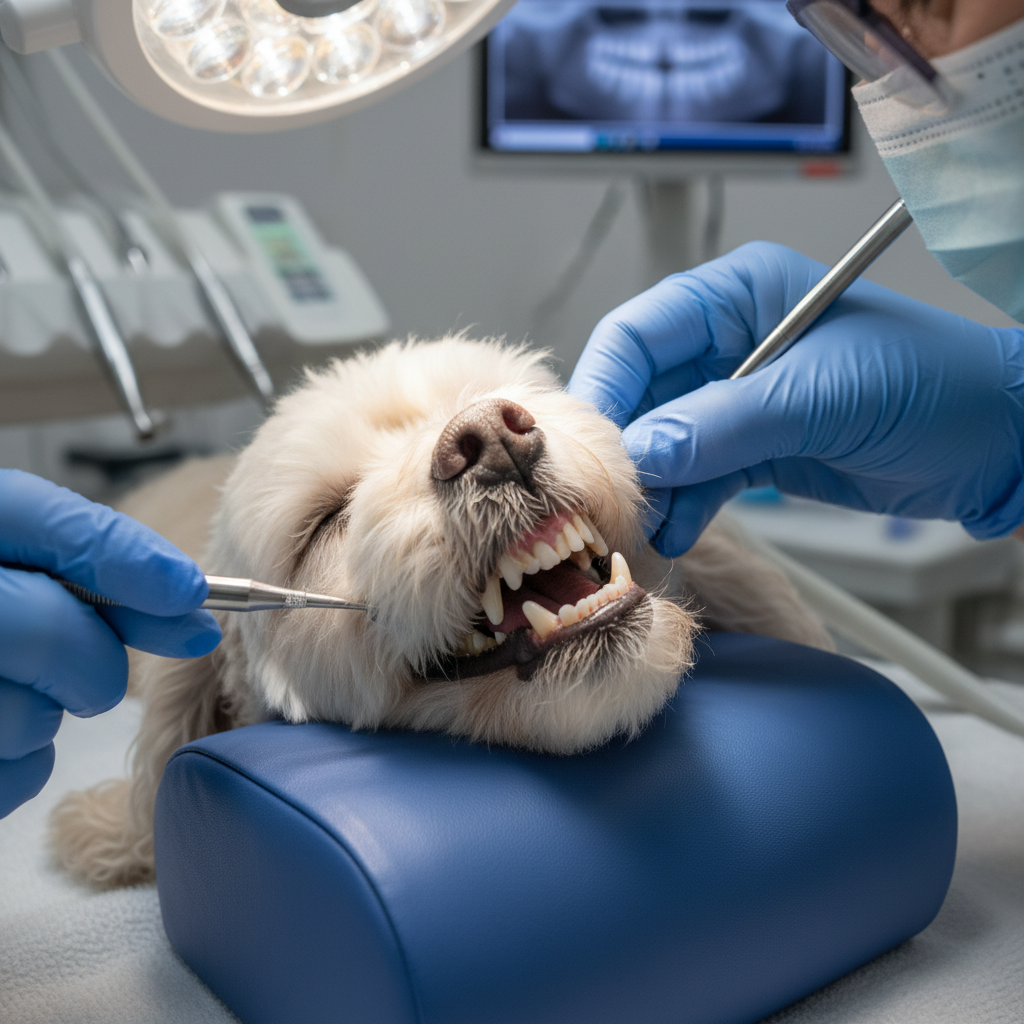
Dental Occlusion in Pomeranians: Reading Your Vet's Radiograph Email
Retained deciduous teeth, scissors vs. level bite, and persistent milk teeth — a visual guide to the dental report your vet just sent.
CAER Eye Exams: What the Ophthalmologist Is Mapping on That Chart
Hereditary cataracts, progressive retinal atrophy, and distichiasis in Poms — how to read a CAER certificate and what "breeder option" actually means.
Interpreting a Pomeranian Thyroid Panel: T4, Free T4, and TSH Reference Ranges
Why toy breed reference ranges differ from the general canine population, and how hypothyroidism mimics coat-blow in intact bitches.
Breeder Tools
COI calculators, color-prediction matrices, and whelping checklists — the instruments a serious breeding program keeps within reach.
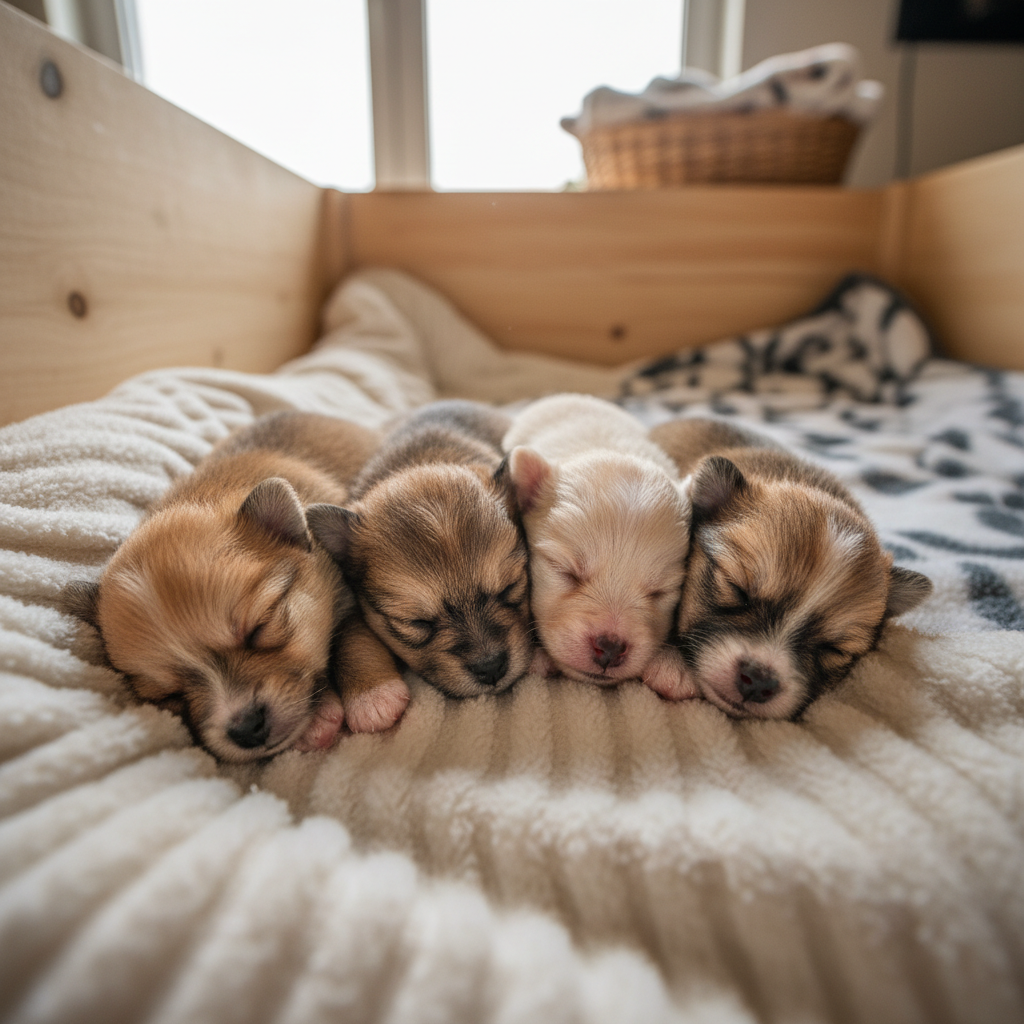
The Pomeranian Whelping Checklist: 72 Hours Before the First Puppy
Temperature drop protocol, dystocia risk factors specific to toy breeds, and the equipment list every whelping box should have within arm's reach.
Color Outcome Matrix: Sable × Orange, Orange × Cream, and the Hidden Wolf-Sable Cross
| Sable × Orange | 50% Sable · 50% Orange |
| Orange × Cream | 75% Orange · 25% Cream |
| Wolf-sable × Orange | 50% Wolf-sable · 50% Sable |
| Cream × Cream | 100% Cream (ee/ee) |
Punnet-square style probability tables for the 12 most common Pomeranian color pairings — with expected phenotype percentages per litter.
"A COI of 3% calculated on four generations can hide a COI of 22% if you open the pedigree to ten. The math is honest; the data depth is the variable."
Dr. Priya Anantharaman, PhD
Population Geneticist & Pomeranian Health Committee Advisor

Building a Health Clearance File: What to Collect Before the First Breeding
OFA, CAER, thyroid, cardiac, and DNA panels — the minimum clearance stack for a Pomeranian breeding program, with links to official submission portals.
What a Responsible Puppy Contract Should Guarantee — and What It Cannot
Health guarantees, return clauses, spay/neuter requirements, and the legal enforceability of co-ownership — written from a breeder's perspective.
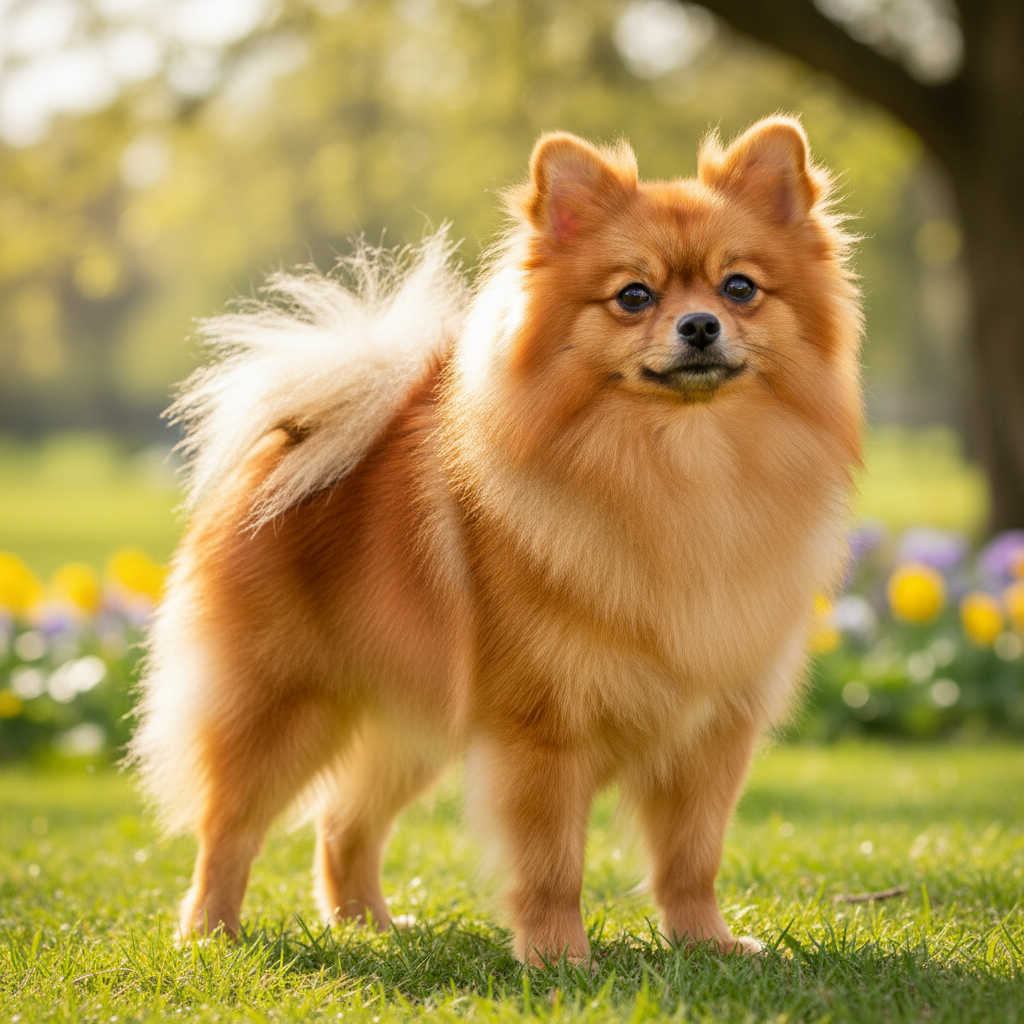
Evaluating a Stud Dog's Health Clearances: The 10-Point Checklist
Beyond the OFA number — how to request, read, and cross-reference a stud's full health portfolio before committing to a breeding.